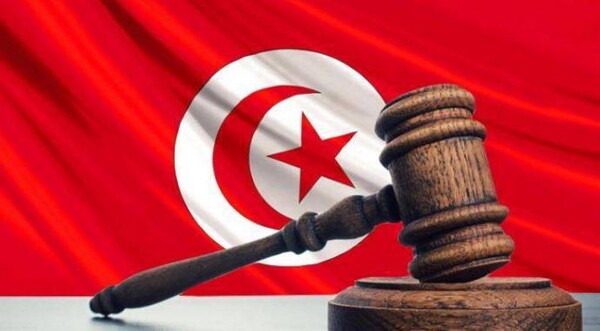
Recently, the prosecutor's office at the initial court in Tunisia released an order for the arrest concerning 5 content creators in social networks for allegations of "offending others and violating morals." This came after a complaint from the Tunisian Ministry, which aims at adopting legislative measures to combat low-quality content.
In connection with the widespread phenomenon of targeted use of social networks, particularly TikTok and Instagram, for disseminating informational materials that counteract societal norms of morality, the Tunisian Ministry emphasized the need for legislative action. Minister of Justice Leila Jafali urged the prosecution to undertake necessary legal actions to combat such practices.
The Tunisian Ministry's statement highlights that the decision to open an investigation concerns all those who deliberately produce, present, or publish informational data or disseminate images and video material containing elements that counteract moral values.
The decision to assign a number of content creators to house arrest has caused a stir among users of social networks in Tunisia regarding the limits of using social media. Some approved the measures regarding the safety of content for Tunisian families, while others criticized it for its severity and restriction of freedoms. There are opinions that imprisonment is not the optimal solution for limiting the spread of negative phenomena.
Recently, there have been demands in Tunisia for the ban of the TikTok application due to the spread of content considered immoral and harmful to public values, calling for censorship. Criticism has recently fallen on some content creators due to the dissemination of unethical video content, and TikTok has become a platform for offenses and provocations, as well as a means of survival. Active state actions are required for the regulation and prevention of the spread of negative content to support public decency.